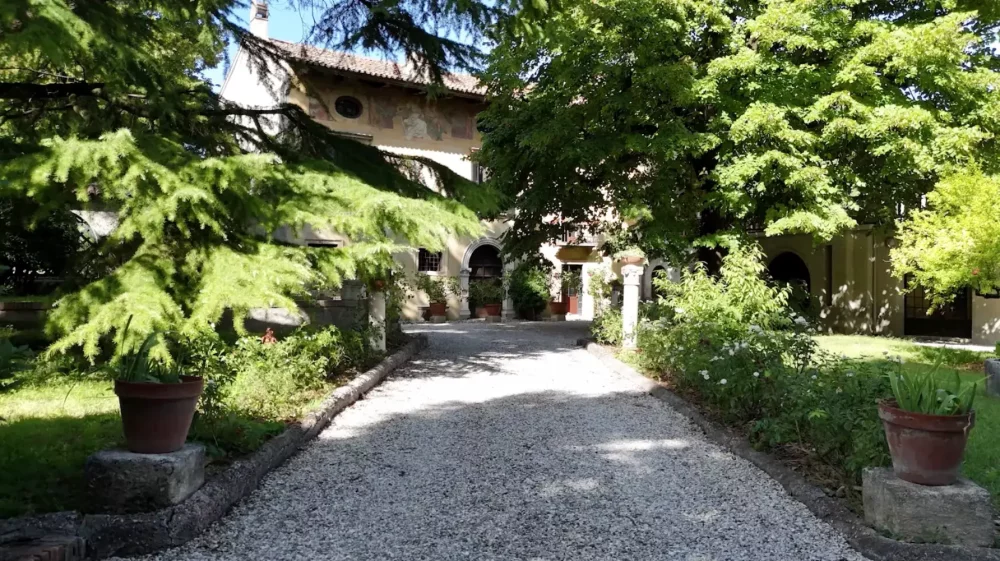
Between Verona and Lake Garda, a villa rich in art and culture and a historic garden undergoing transformation according to the principles of sustainable soil management.
The Villa
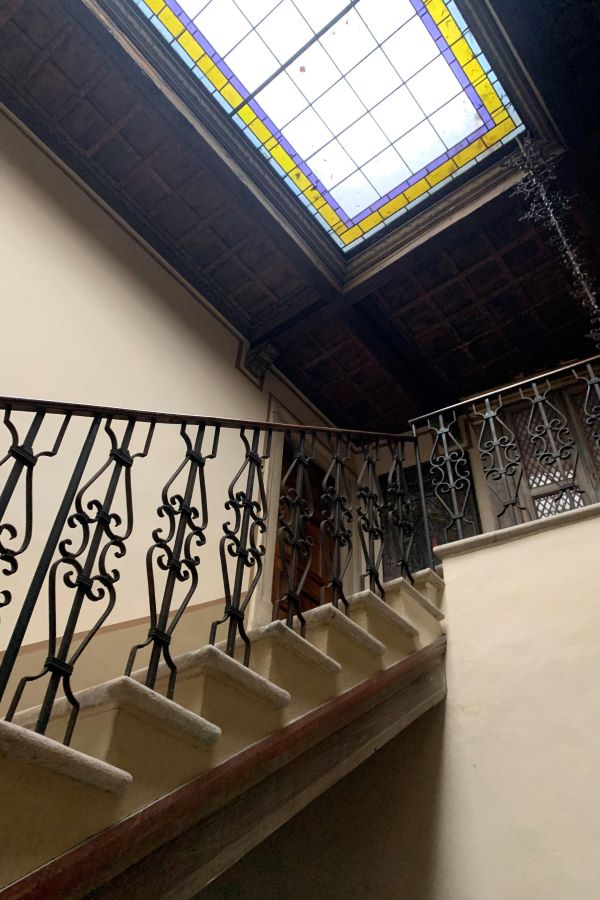
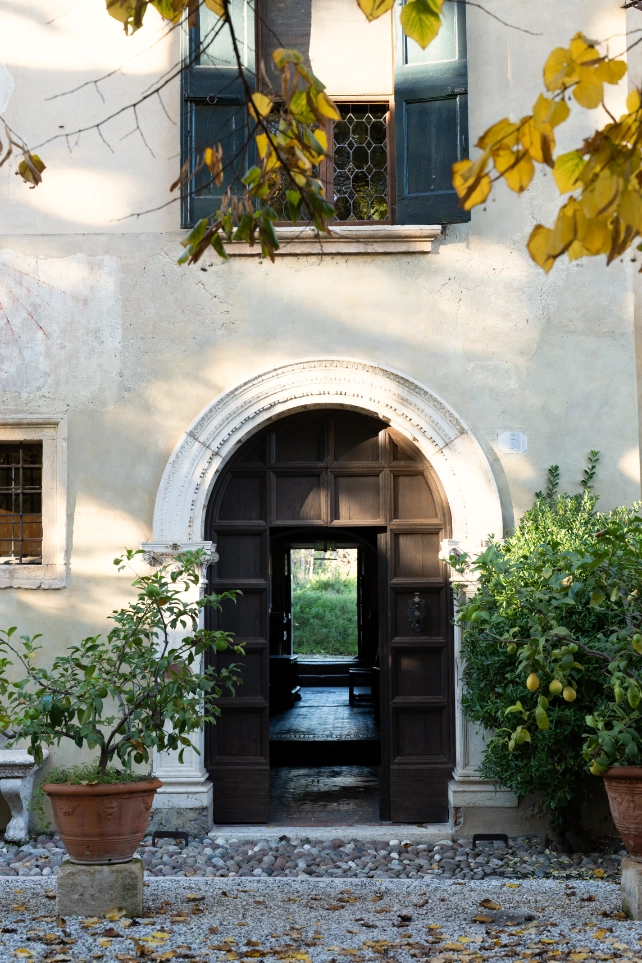
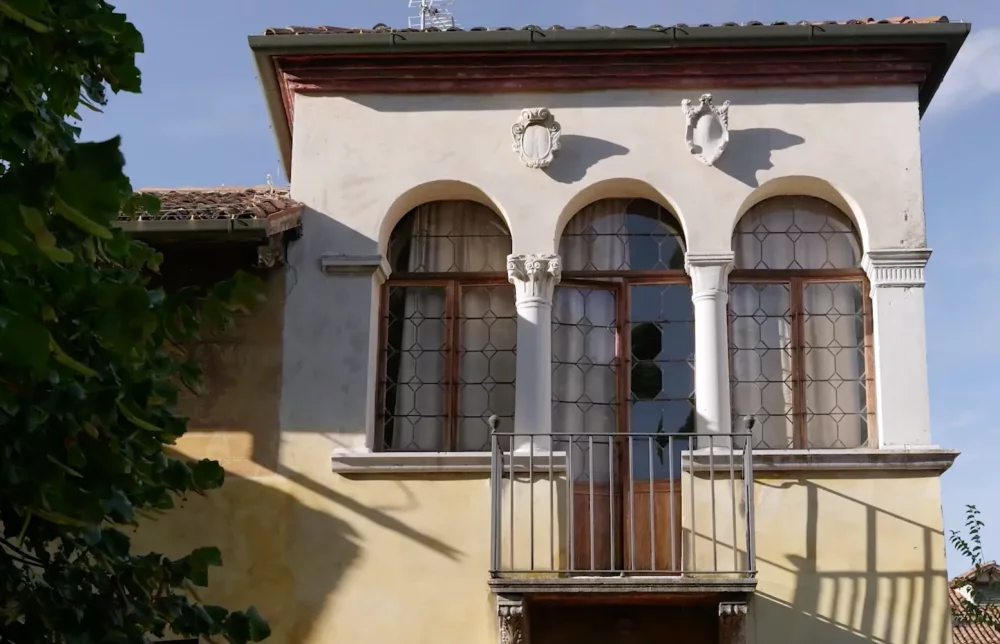
Set on the hilltop of present-day Sommacampagna, the villa probably originates from a Romanesque structure, later transformed into a 16th-century hunting lodge. Once owned by the noble Zenobi family of Verona, from whom it takes its name, the estate was brought to its current form in the early 20th century through the vision of engineer and architect Ferdinando Forlati, who inherited the property from his mother’s family.
The Frescoes
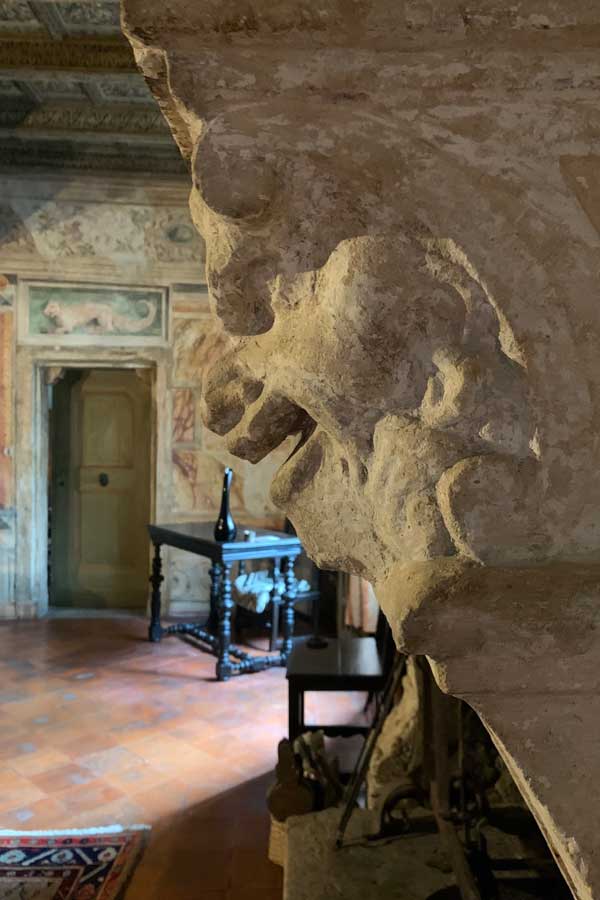
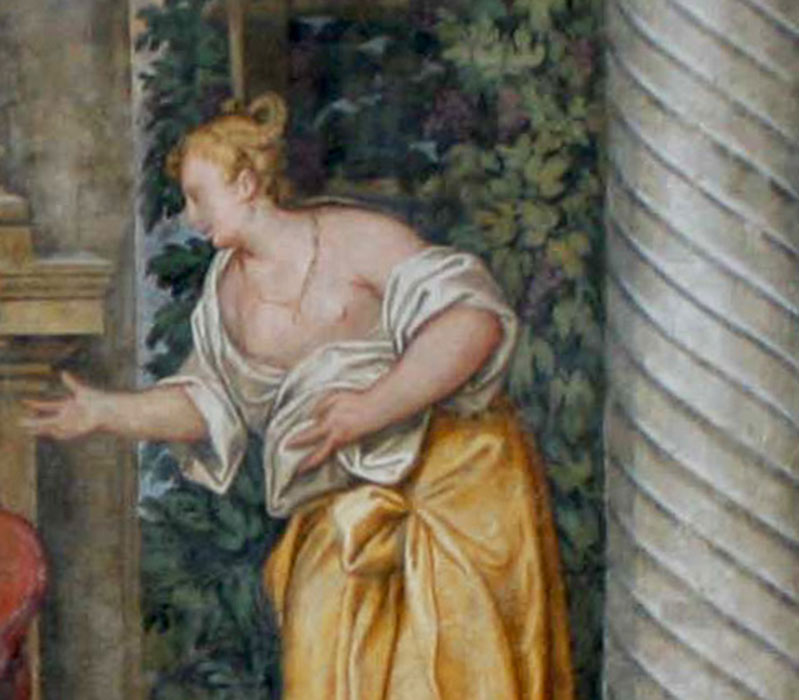
The 16th-century frescoes by Paolo Farinati are the most significant artistic treasure preserved at Ca’ Zenobia.
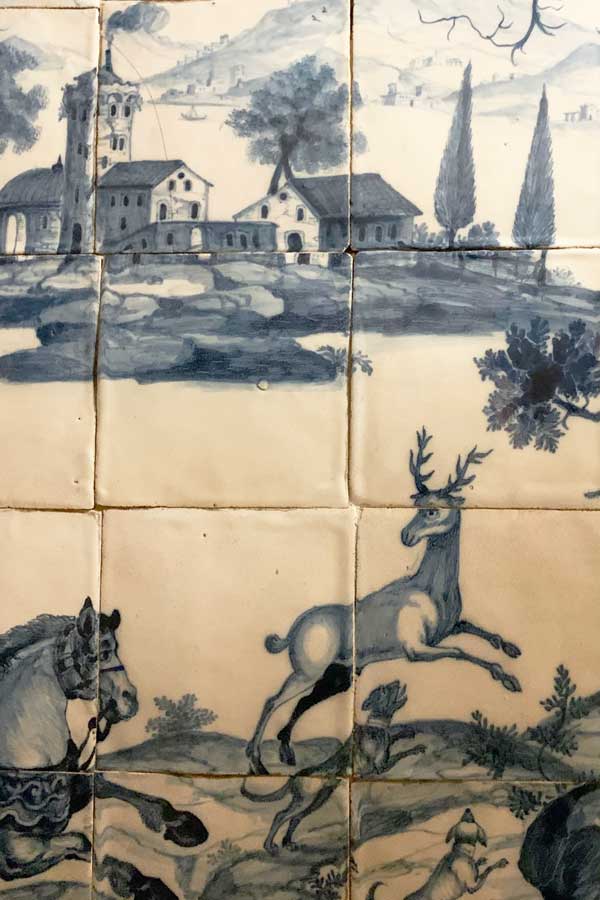
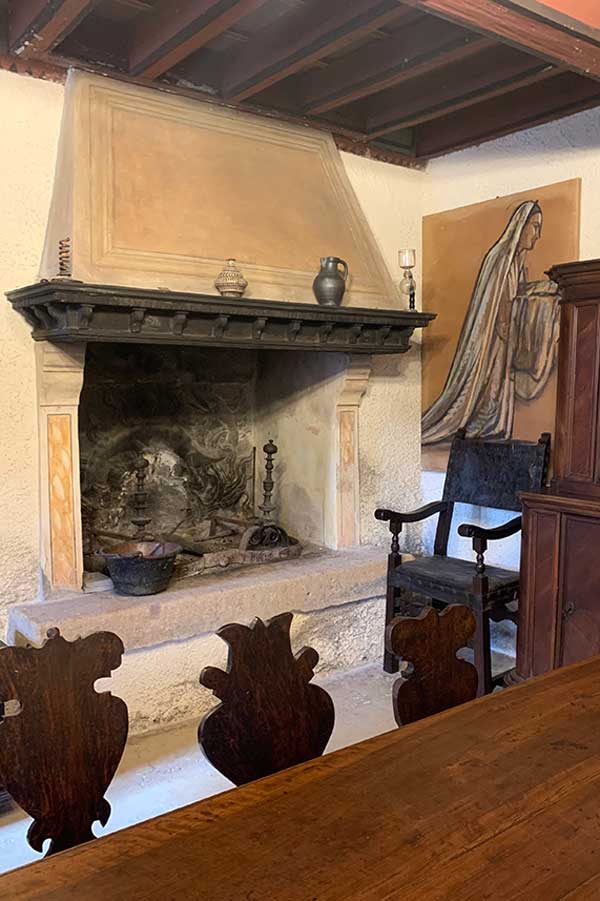
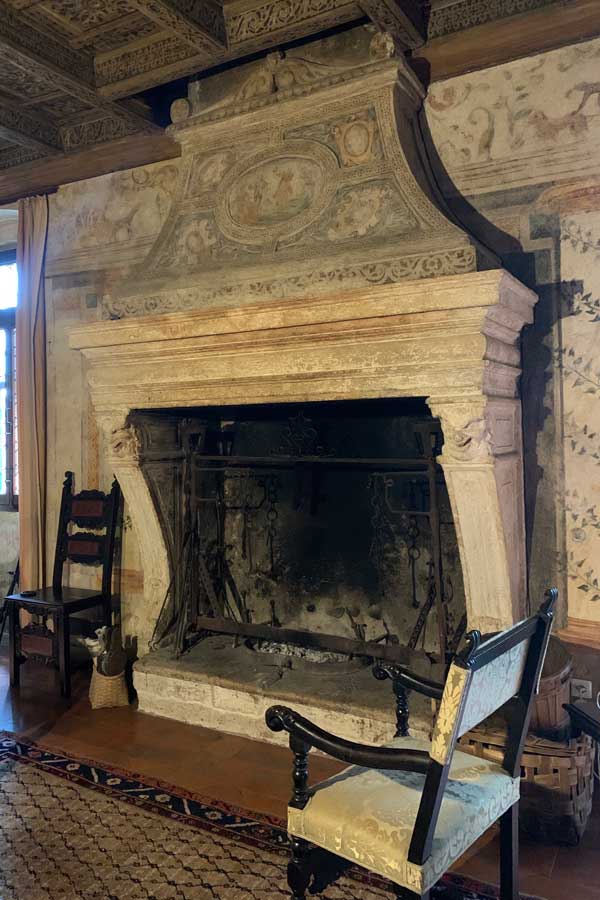
In the grand first-floor hall, hunting scenes and animal motifs frame a fireplace whose design is also attributed to the artist.
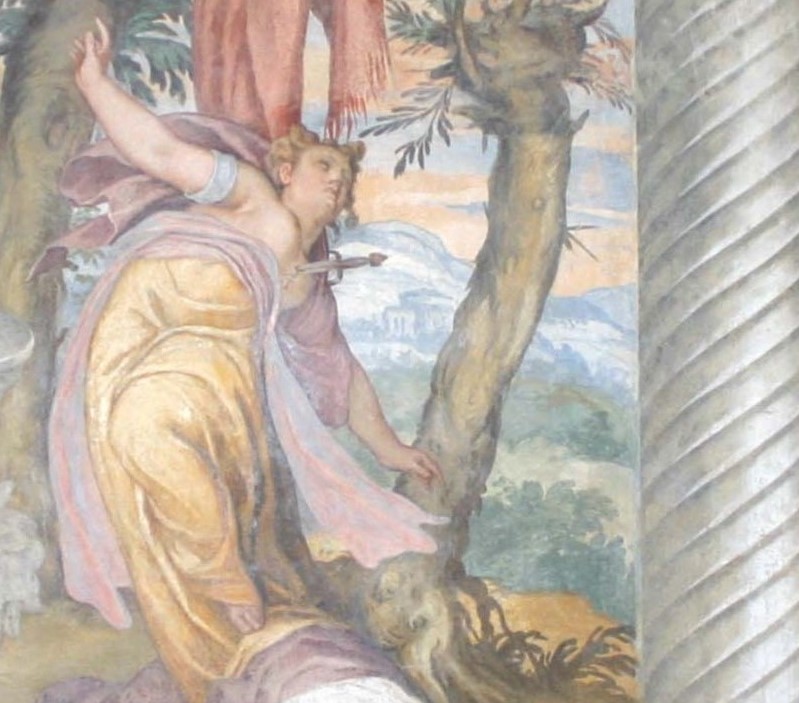
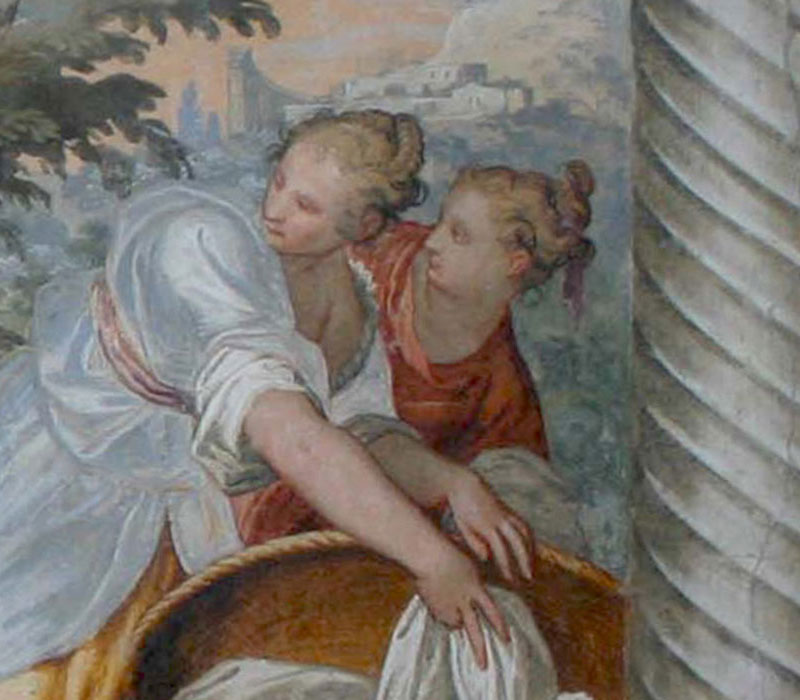
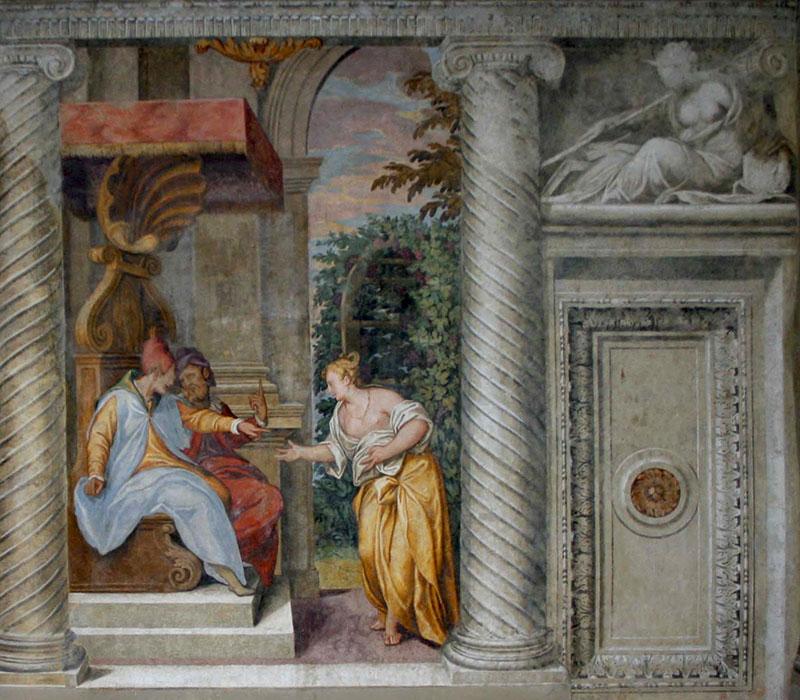
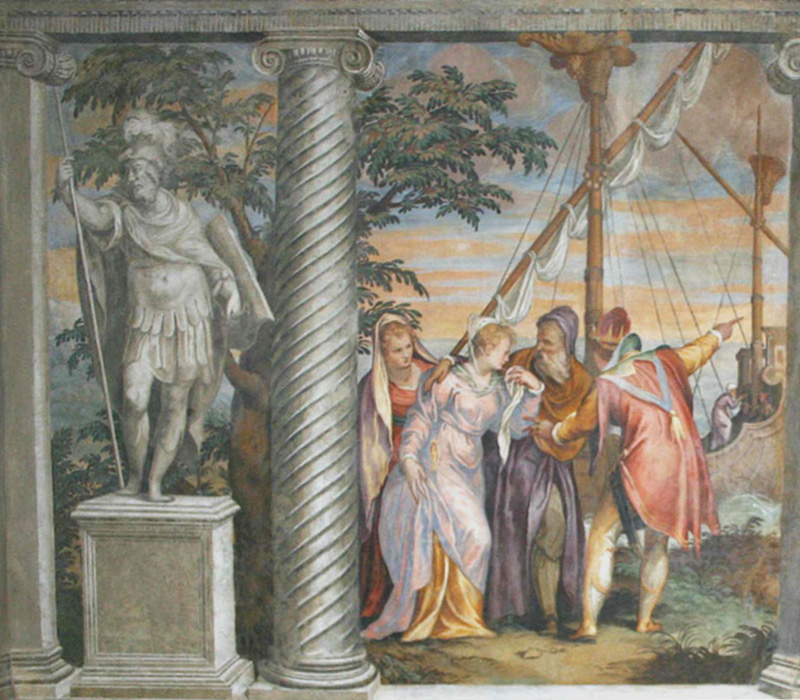
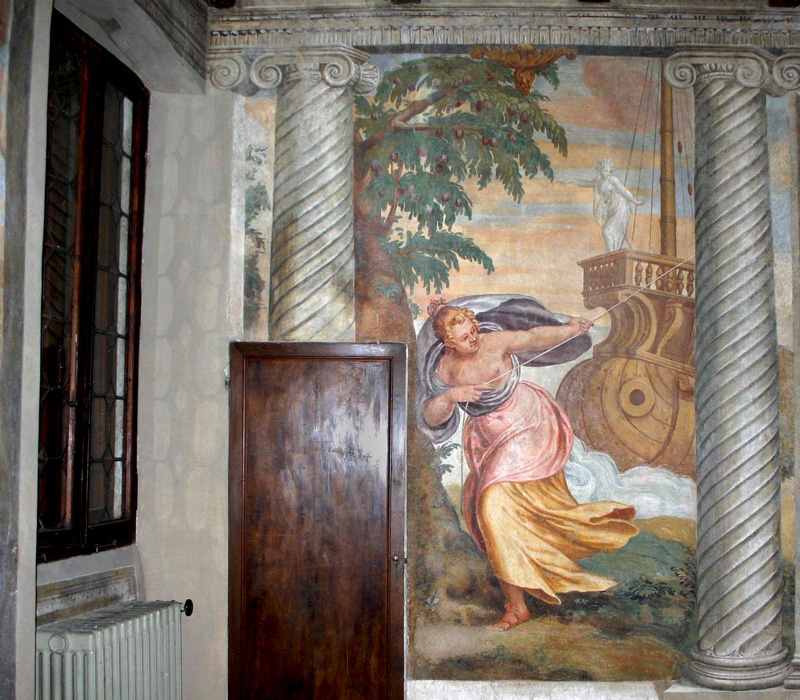
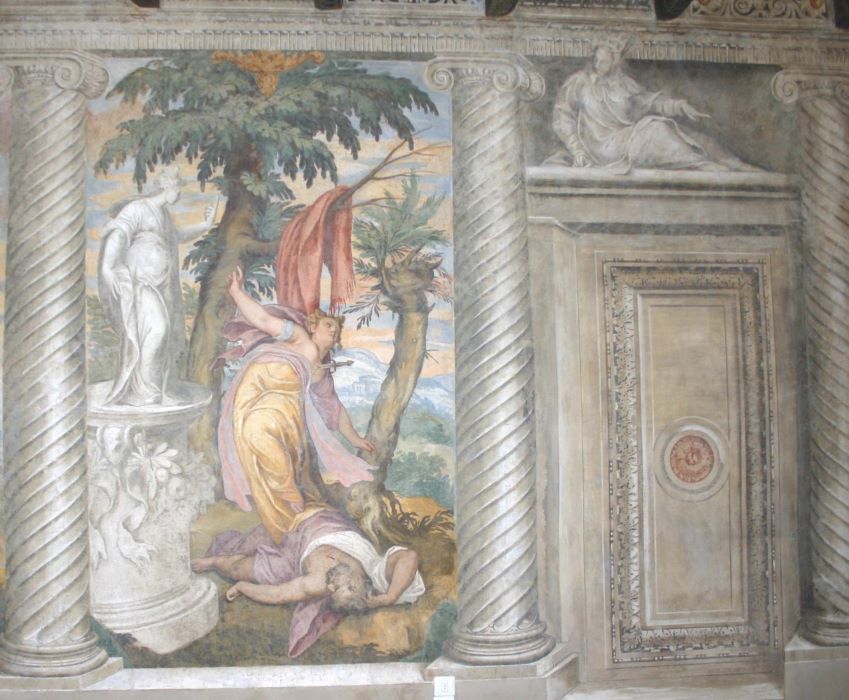
The corner room features scenes inspired by classical myths celebrating female virtues, set within an illusionistic colonnade opening onto pastoral landscapes.
.
La Stanza delle Virtù Femminili
Il disegno preparatorio autografo della scena in cui la vestale Claudia, grazie alla forza soprannaturale datale dalla dea Cibele, risale il Tevere tirando la nave che porta la statua della stessa dea (la storia è raccontata da Ovidio) fa parte della collezione della Corona Inglese, e conferma l’attribuzione degli affreschi al pittore veronese Farinati. La scena di Nausicaa e le sue ancelle che trovano Ulisse naufragato sulla loro isola fa invece parte dal database dell’Istituto Warburg per l’iconografia omerica.
The 1930s
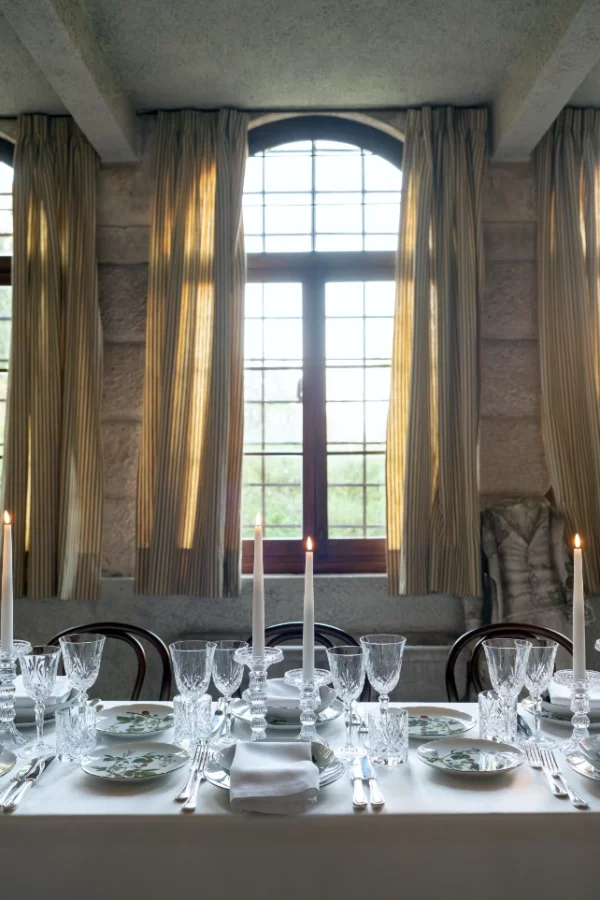
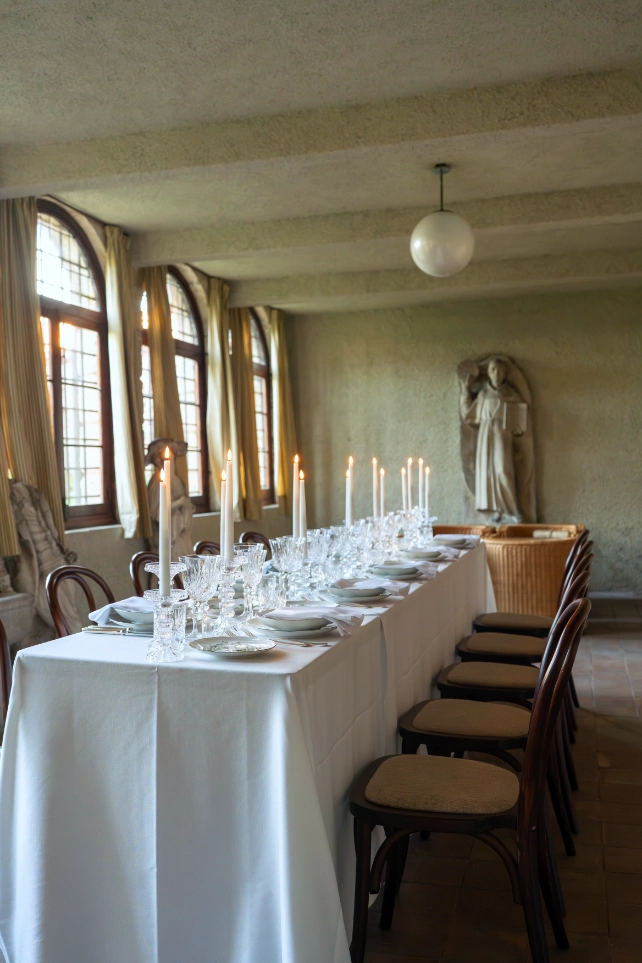
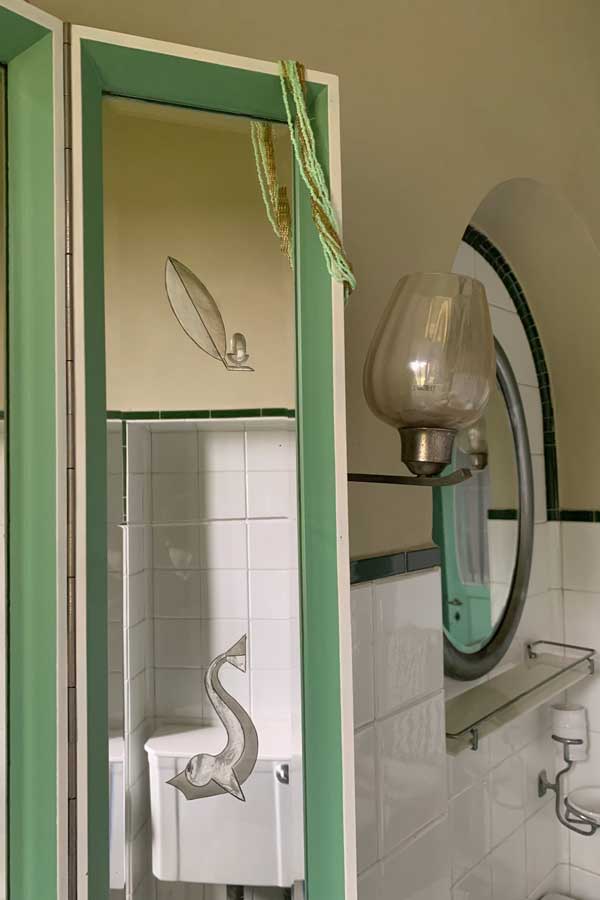
Several interiors, including the Sala Verde or Green Room, the Veranda, and the master bathroom, evoke the years when Ferdinando Forlati redesigned the villa’s interiors.
Venetian Villas Day
For the first time, Ca’ Zenobia opened its gates to the public as part of the "Day of the Venetian Villas" (Giornata delle Ville Venete). Adults and children alike were able to explore the garden, the *brolo* (walled orchard/garden) with its avenue of cypress trees, and the vineyard and orchard; take part in thematic tours focused on landscape management and horticulture, as well as workshops on botanical illustration; and visit the rooms featuring frescoes by Paolo Farinati.
October 17 & 18 2026
WIth the support of


Stanze da scoprire
A Ca' Zenobia spazi moderni si alternano ad ambienti con mobili di epoche ben precedenti - il tutto a testimonianza di una grande passione per ‘le cose belle’ di Ferdindando Forlati, che congiungeva senza timori periodi storici ed elementi anche molto diversi tra loro.
Il Salone con il suo grande camino e le scene di caccia costituisce il punto focale dell’edificio
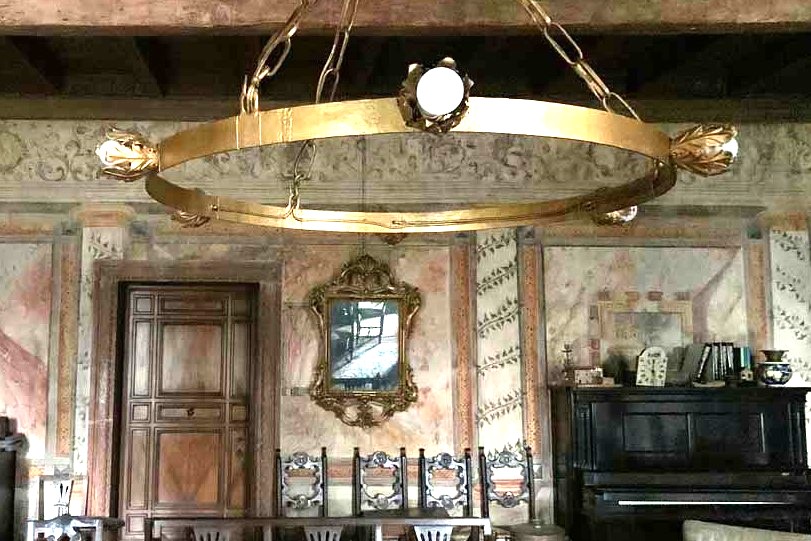
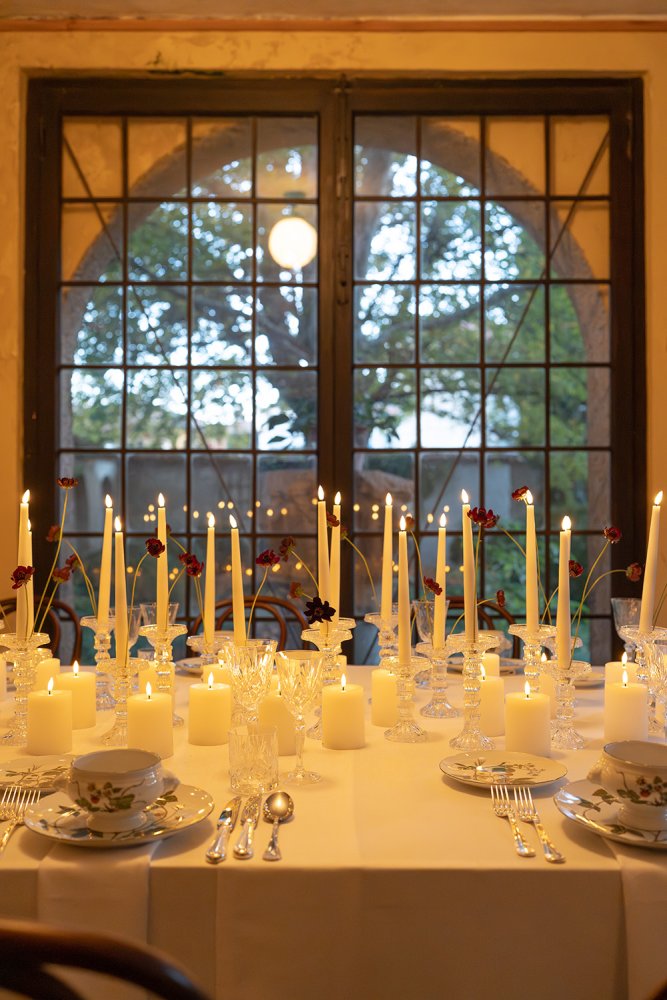
La Sala Verde, rivisita in chiave moderna il tema del refettorio monastico.
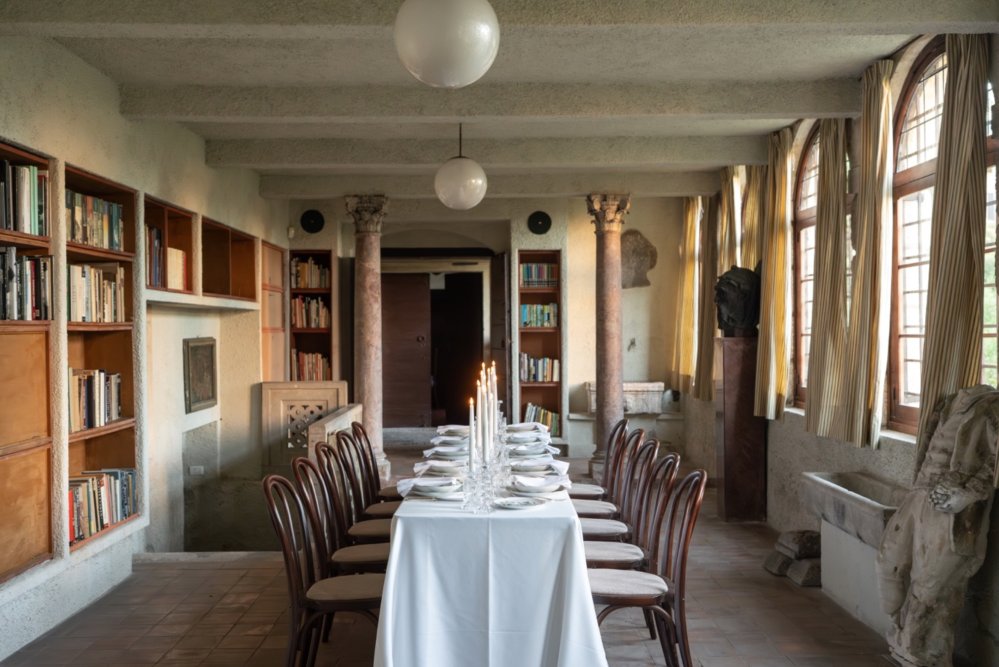
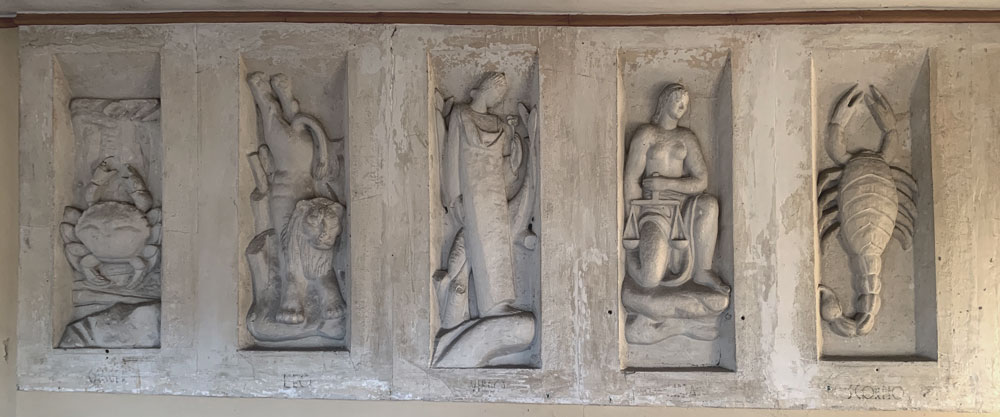
La Veranda con i calchi in gesso dei segni zodiacali, commissionati a un noto scultore degli anni '30 e i cui originali si trovano nella Villa Reale di Bolzano.