Between Verona and Lake Garda, a villa rich in art and culture and a historic garden undergoing transformation according to the principles of sustainable soil management.
The Villa
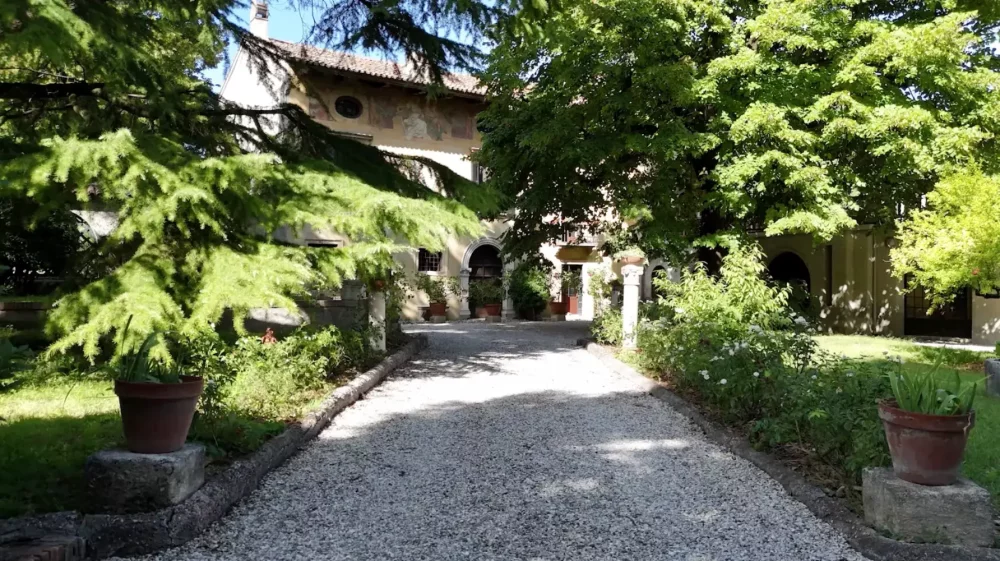
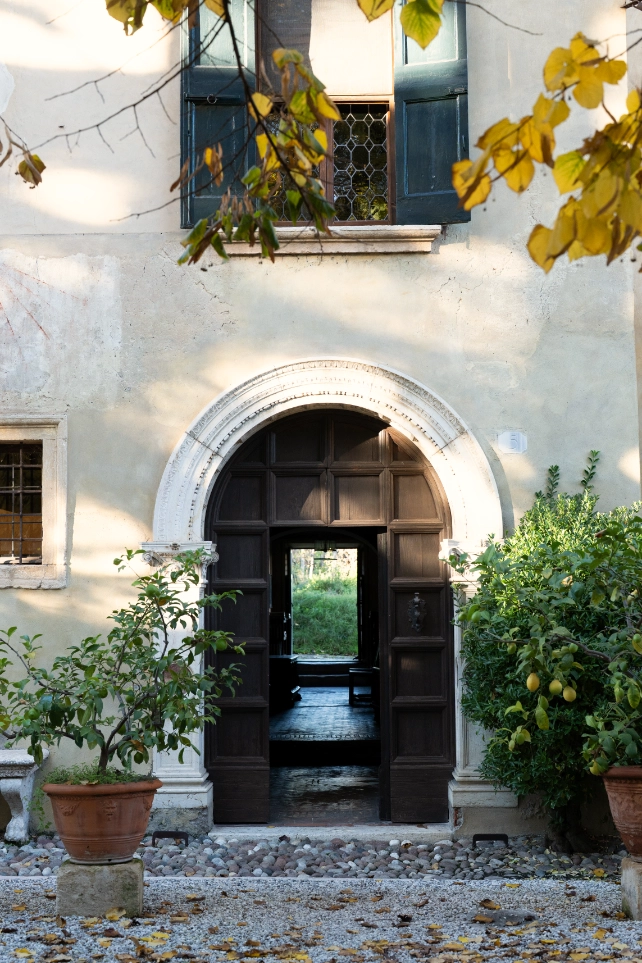
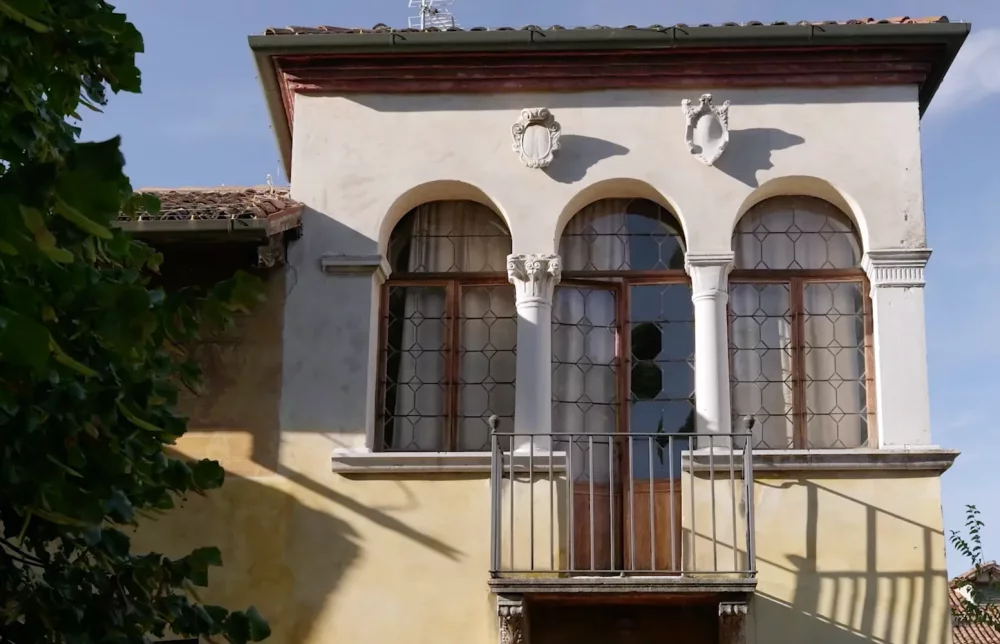
Set on the hilltop of present-day Sommacampagna, the villa probably originates from a Romanesque structure, later transformed into a 16th-century hunting lodge. Once owned by the noble Zenobi family of Verona, from whom it takes its name, the estate was brought to its current form in the early 20th century through the vision of engineer and architect Ferdinando Forlati, who inherited the property from his mother’s family.
The Frescoes
The 16th-century frescoes by Paolo Farinati are the most significant artistic treasure preserved at Ca’ Zenobia.
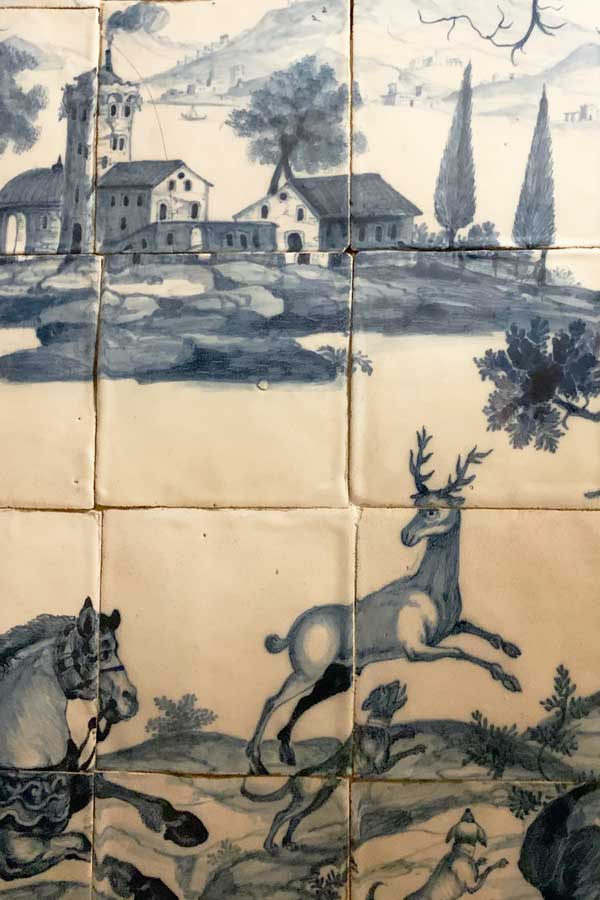
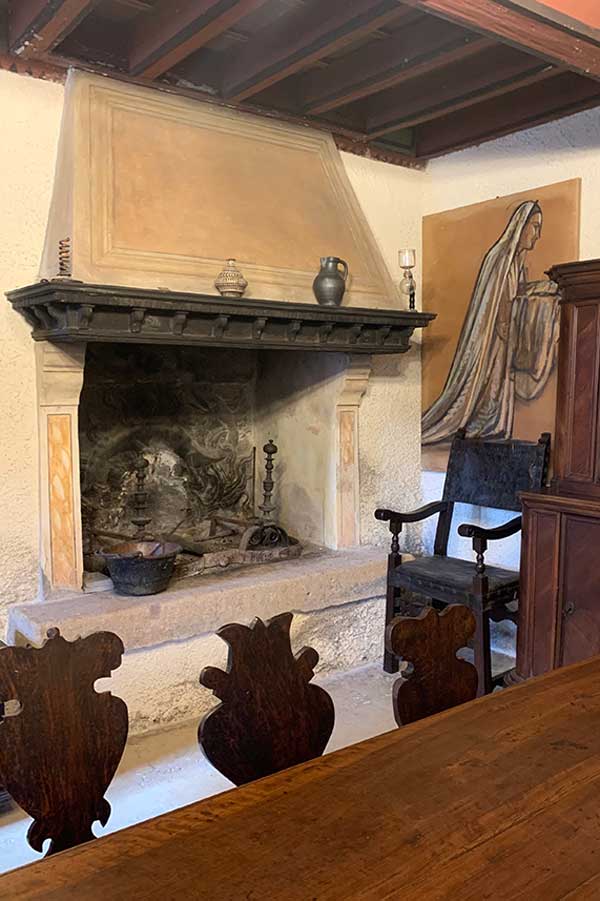
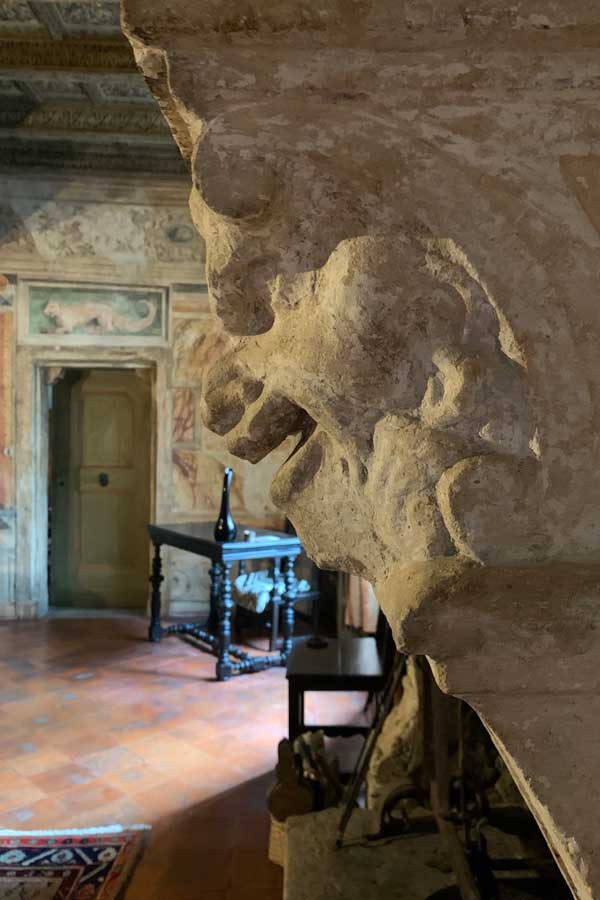
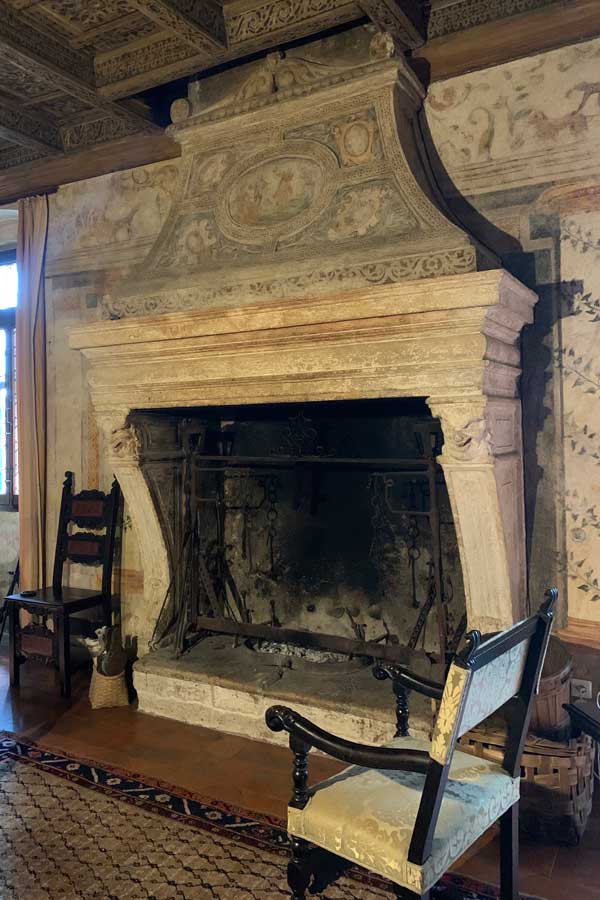
In the grand first-floor hall, hunting scenes and animal motifs frame a fireplace whose design is also attributed to the artist.
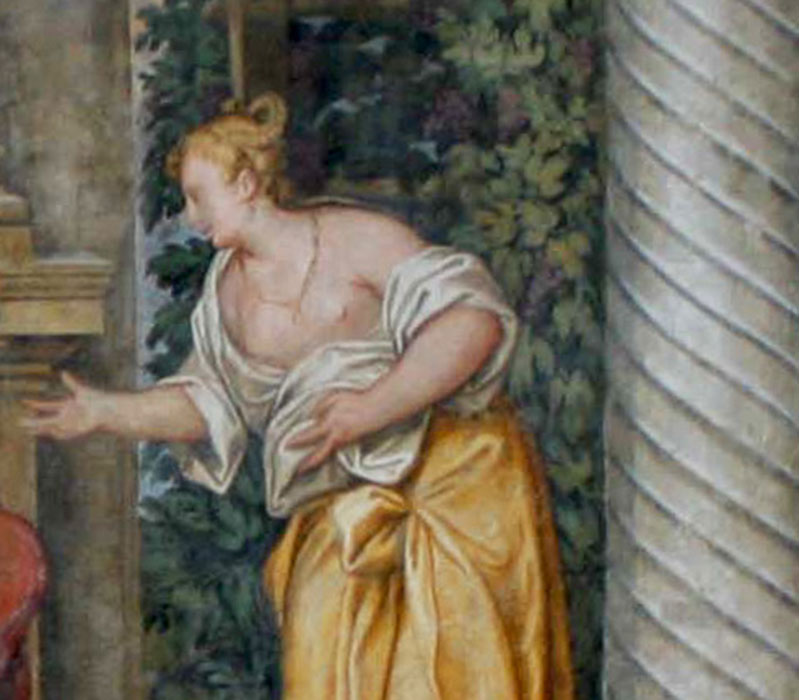
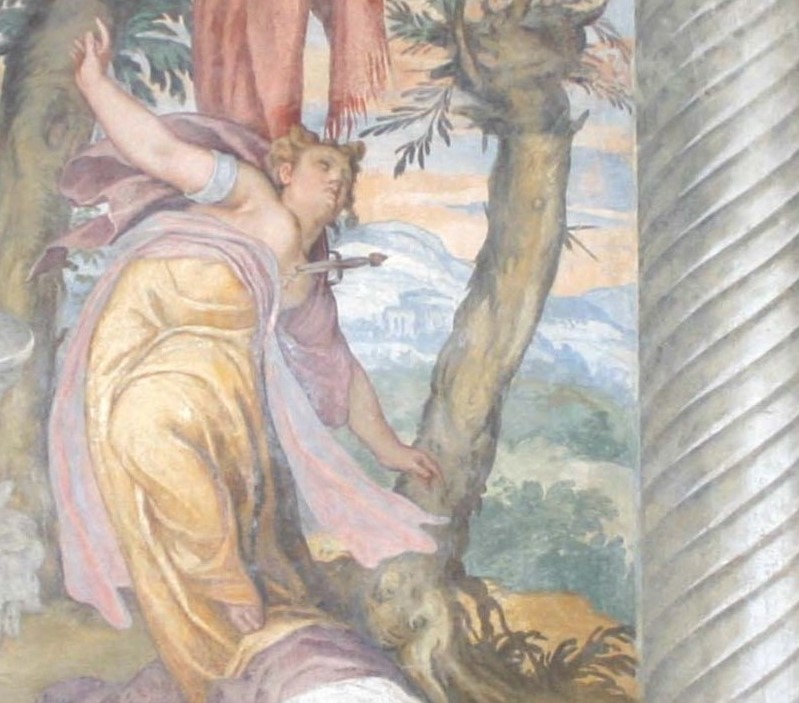
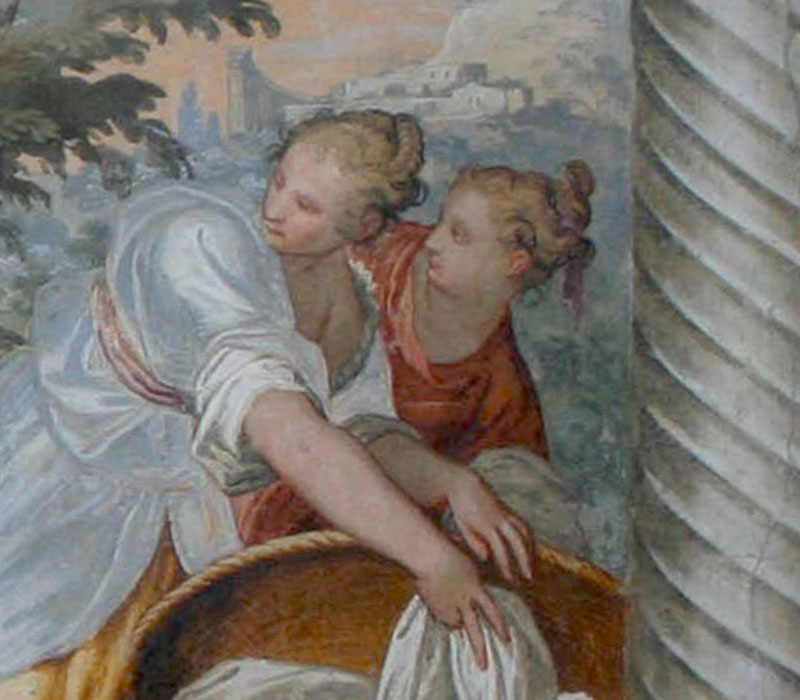
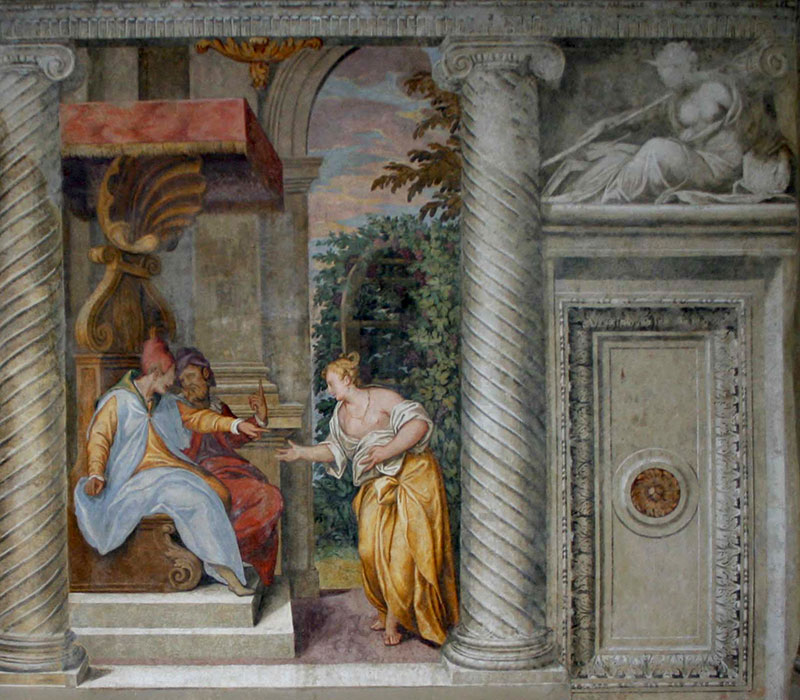
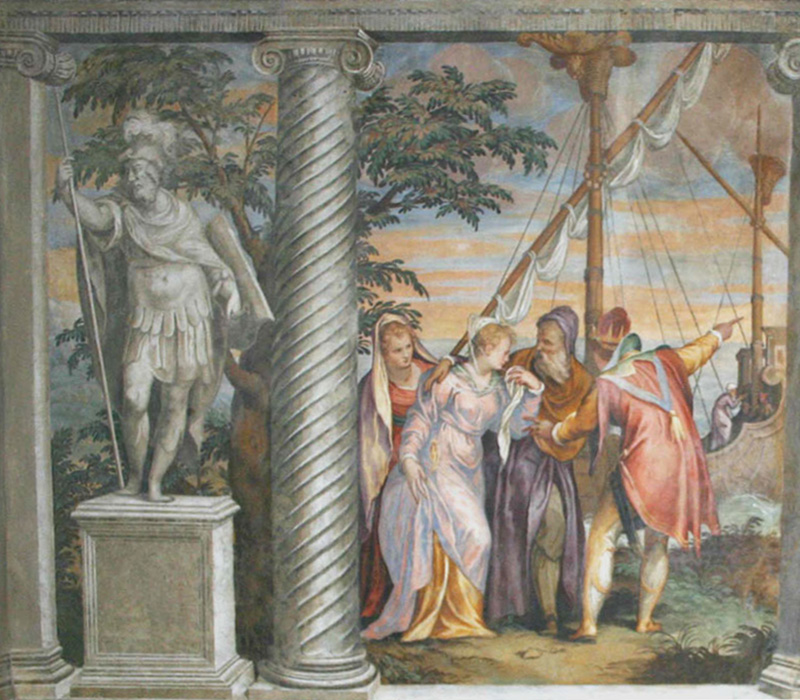
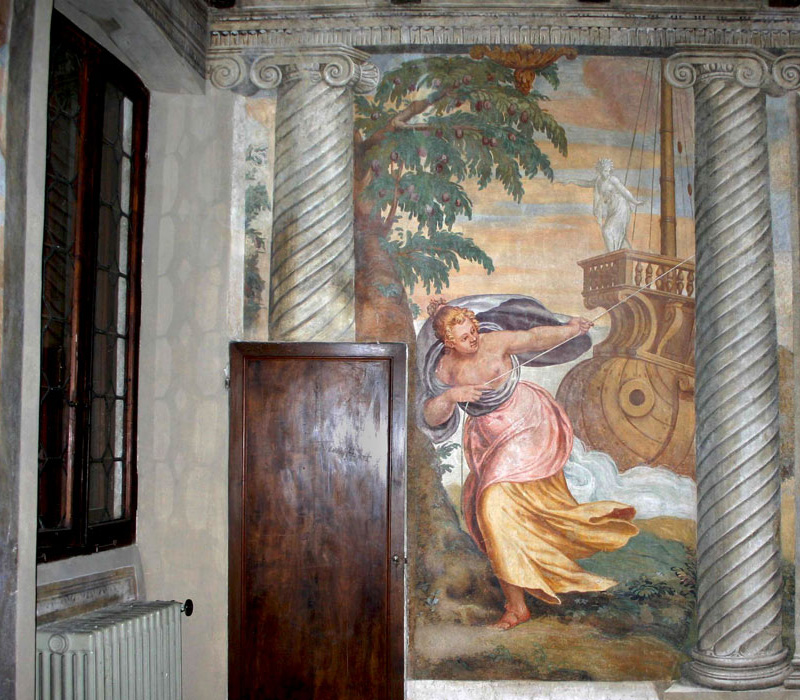
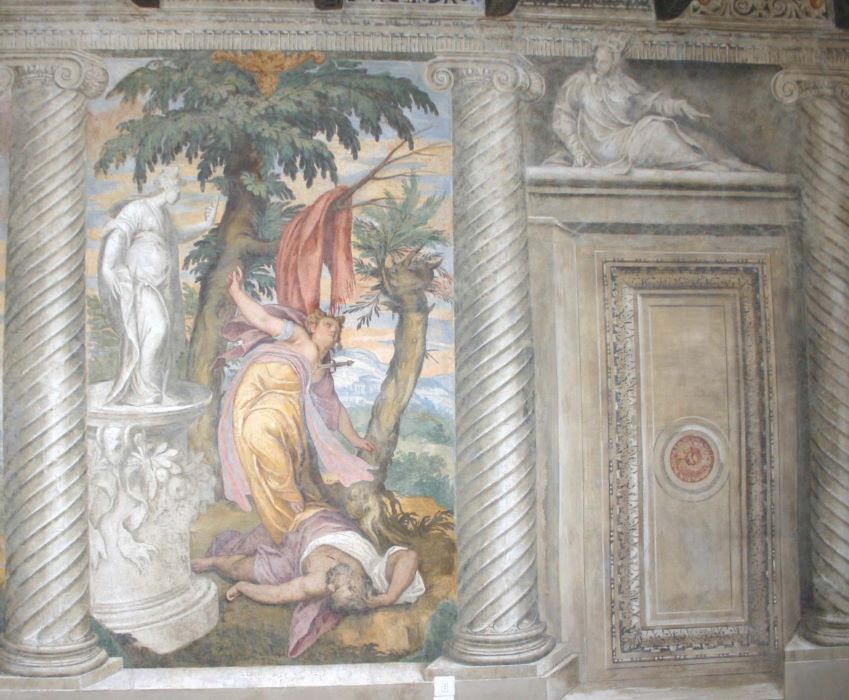
The corner room features scenes inspired by classical myths celebrating female virtues, set within an illusionistic colonnade opening onto pastoral landscapes.
.
The Room of the Female Virtues
The attribution of the frescoes to the Veronese painter Paolo Farinati is supported by an original preparatory drawing, now held in the collection of the British Crown, depicting the Vestal Claudia pulling the ship of the goddess Cybele up the Tiber, as told by Ovid. Another fresco, showing Nausicaa and her maidens discovering the shipwrecked Ulysses, is recorded in the Warburg Institute’s database of Homeric iconography.
The 1930s
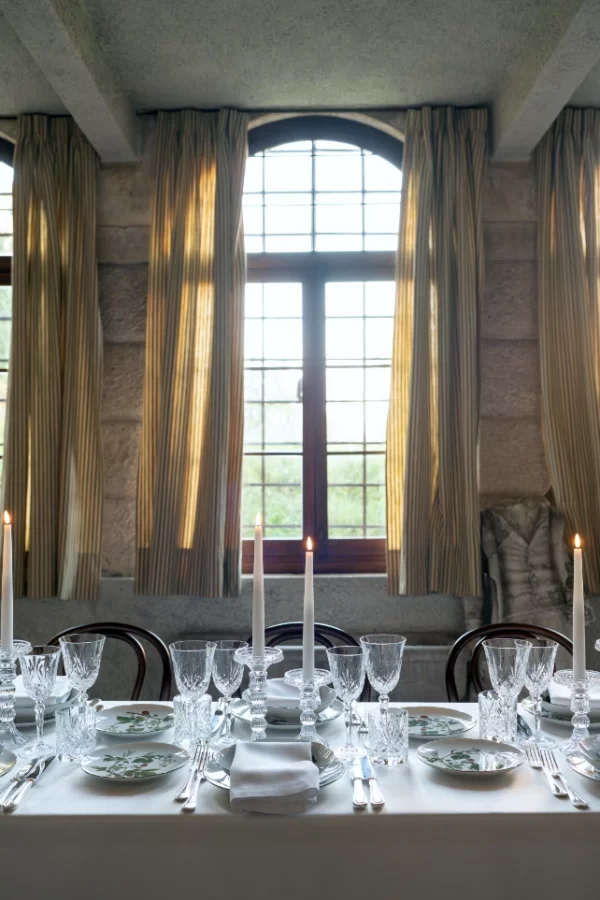
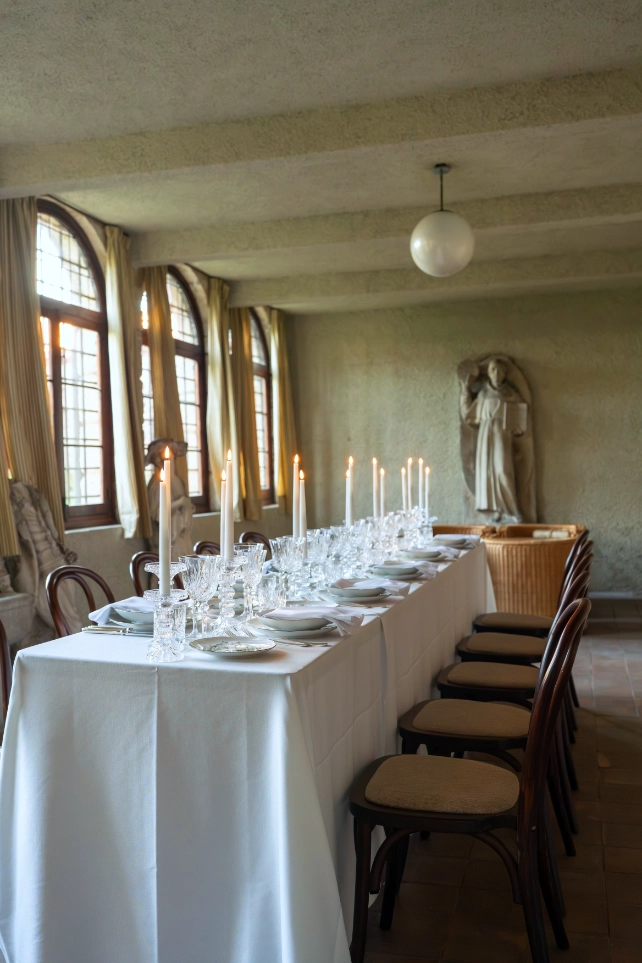
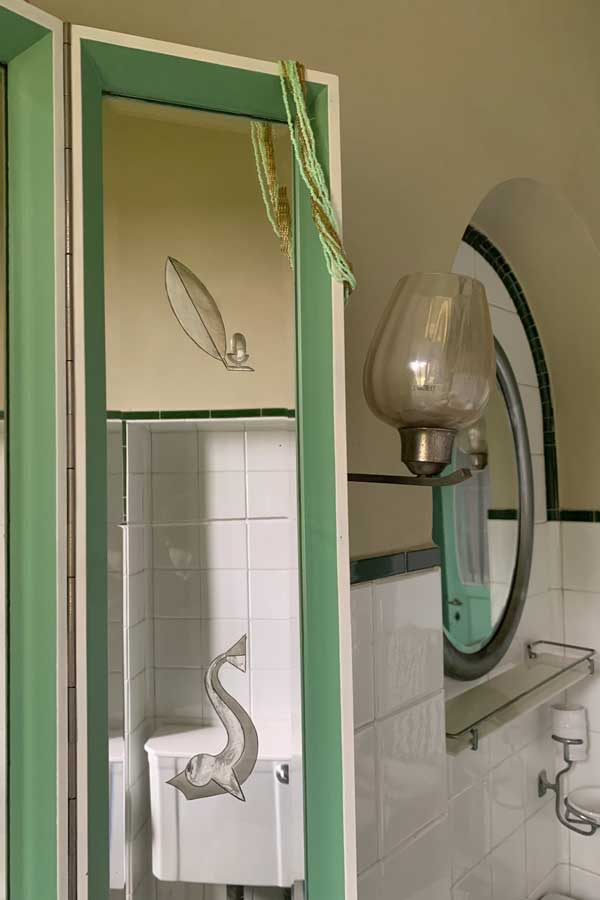
Several interiors, including the Sala Verde or Green Room, the Veranda, and the master bathroom, evoke the years when Ferdinando Forlati redesigned the villa’s interiors.
Rooms to discover
At Ca’ Zenobia, modern spaces alternate with rooms furnished with pieces from much earlier periods — all bearing witness to Ferdinando Forlati’s great passion for “beautiful things,” as he combined, without hesitation, different historical periods and even very diverse elements.
The Salone, with the imposing fireplace and hunting scenes, forms the focal point of the villa.
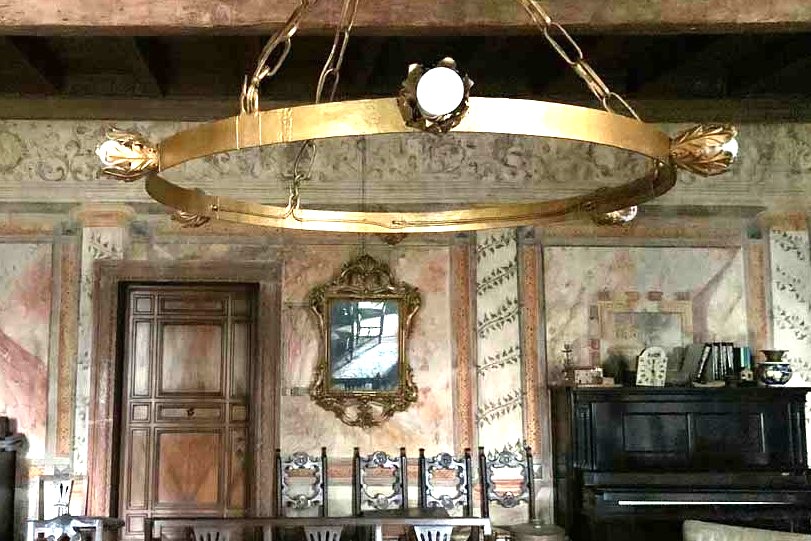
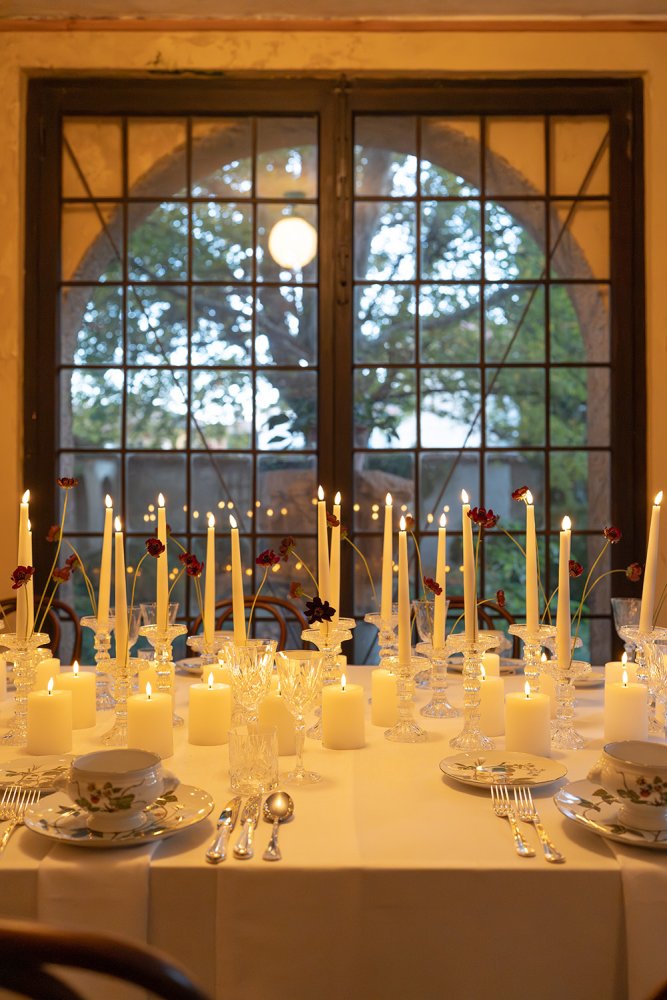
The Sala Verde or ‘Green Room‘ offers a modern reinterpretation of the monastic refectory.
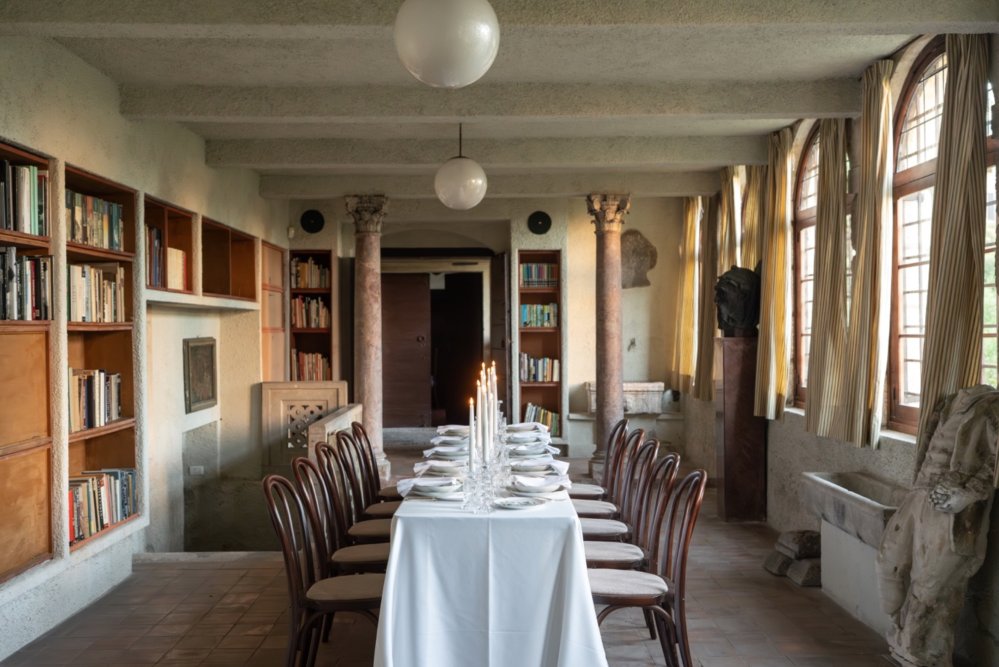
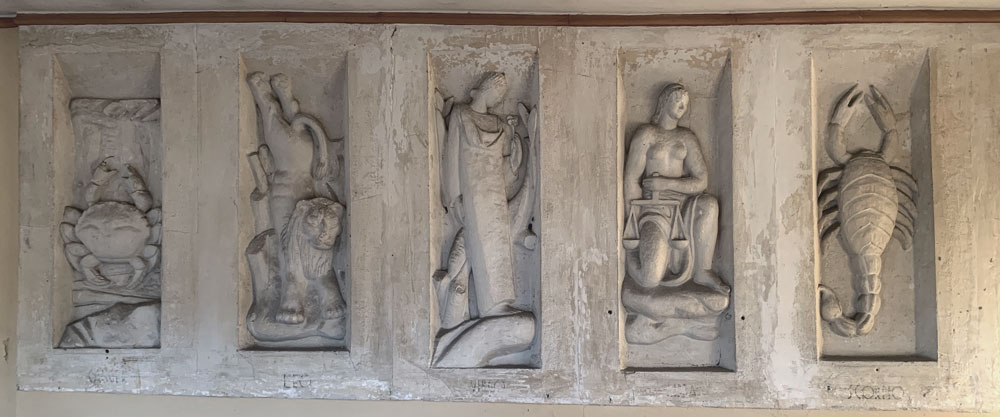
The Veranda with plaster casts of the zodiac signs, commissioned from a well-known sculptor in the 1930s, the originals of which are located in the ping pong room of the Royal Villa in Bolzano.