
The People behind Ca’ Zenobia
Ferdinando Forlati, Bruna Tamaro
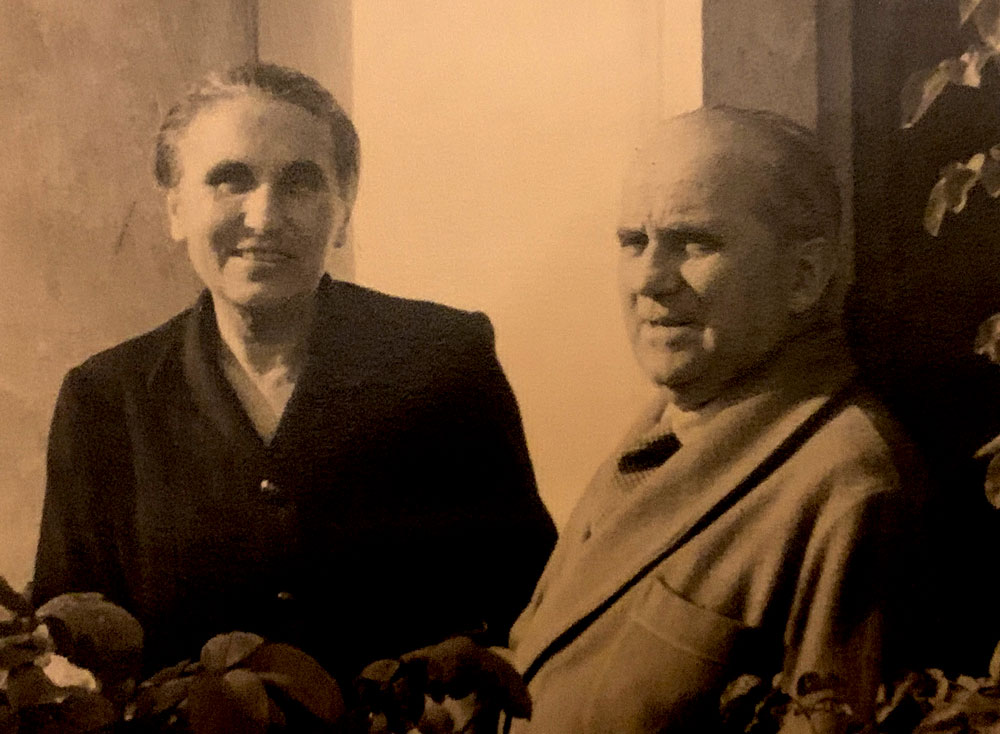
Ca’ Zenobia, as we know it today, was created thanks to the efforts of Ferdinando Forlati (1882-1974) and his wife Bruna Forlati Tamaro (1894-1987). They were remarkable figures in the world of historical and artistic culture between the wars and beyond. Historical-artistic culture and the conservation of monuments.
The estate, inherited by Ferdinando, underwent a radical formal and figurative transformation, which included the creation of a formal,rationalist garden, a generous terrace, and a collection of antique furniture and art that Ferdinando had been gathering since his youth with this goal in mind. Despite the outcome, which most would consider a full-fledged villa in the tradition of Venetian villas, Ferdinando always referred to it as a “house.”
Other individuals who played key roles in the management of this place are also important to remember.
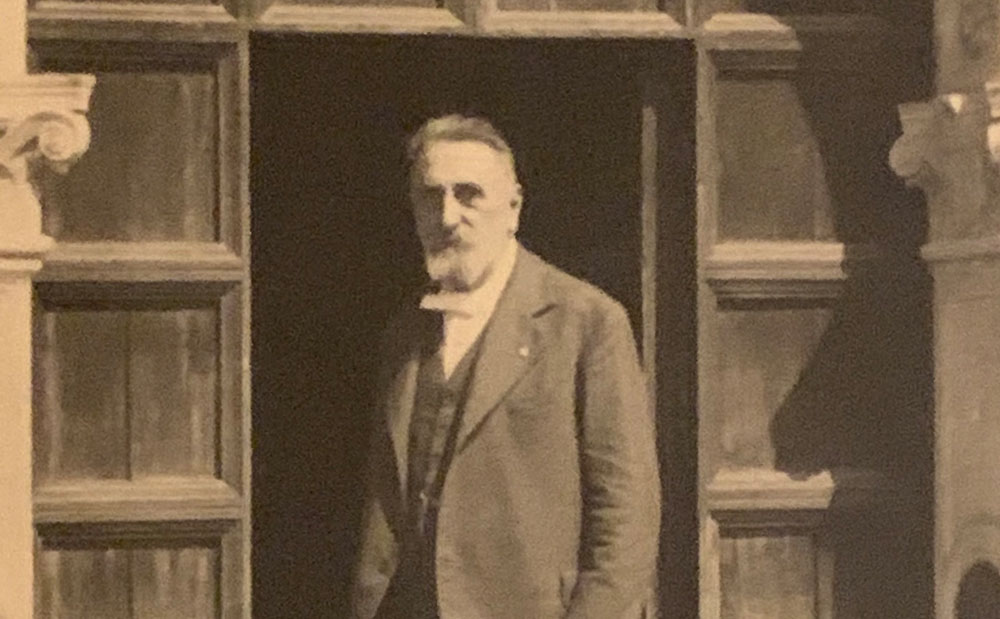
Domenico Tamaro
An agronomist from Istri s (1859-1939)and father of Bruna. He wrote many books and manuals on horticulture and was, among other things, served as the director of the agricultural institute of Grumello del Monte, near Bergamo. Family memory recalls his role in introducing peach cultivation to Verona.
We assume, though we cannot know for sure, that he may have been involved in creating the garden and selecting the plants There remains a photograph of him at the garden door, which testifies to his presence on the property.
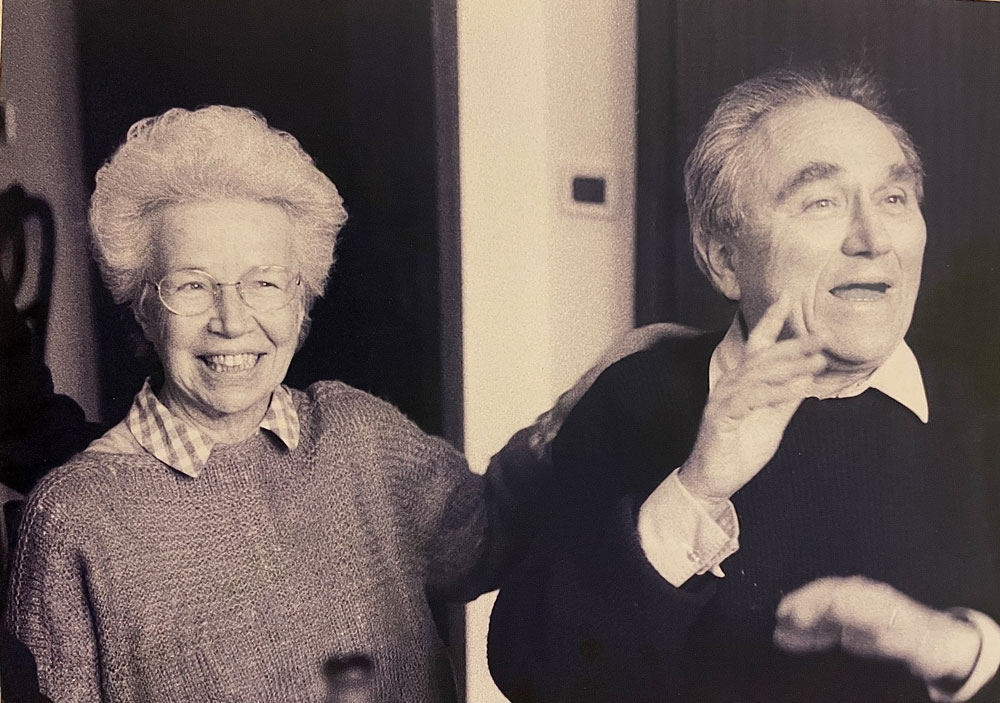
Zeno and Laura Forlati
From the 1980s onwards, they took over the management of the estate, overseeing the restoration of the frescoes and the renovation of the facilities, and opening the house to holiday stays, particularly for the children of the large family and their friends.
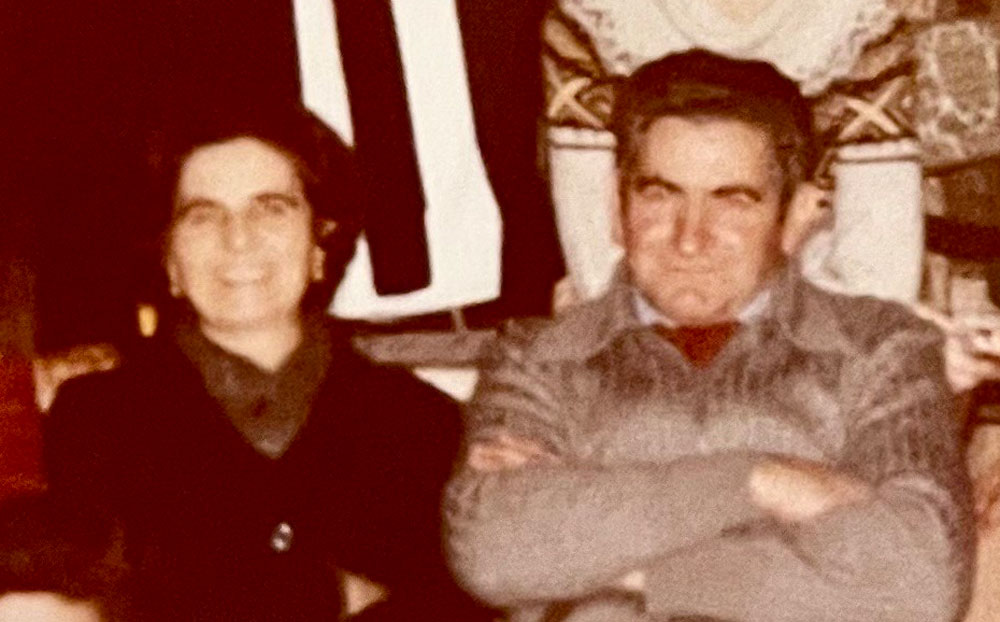
Cesare and Gelmina Manzato
The history and evolution of the garden are inextricably linked to the Manzato family, who were entrusted with the care of the house and garden from the 1960s.
Cesare Manzato was originally a farmer but became an exceptionally skilled gardener. Alongside his wife Gelmina, who was particularly talented with flowers, he managed the garden, the vineyard, and the animals (chickens, turkeys, ducks, guinea fowls, and at one point rabbits, bees, and cows) well into old age, using traditional methods. During their management, hay was made, dahlias were cultivated, and both summer and winter vegetable gardens were maintained. Wine – both white and red, including a superb recioto – was produced. Cesare planted the pomegranate in the central flowerbed in 1996, a gift from a friend.
Marco Ferrari
A landscape architect, specialising in historic gardens. He helps with the new management of the green spaces through valuable analysis and the development of a maintenance plan.
Fabio Borriello
Fabio arrived at Ca’ Zenobia in February 2024. Born just a few kilometeres away, Fabio’s journey to He arrived at the garden of Ca’ Zenobia in February 2024. Although he was born just a few kilometers away, the path that led Fabio to Ca’ Zenobia was a long one, involving a series of experiences in Australia, including permaculture design, the management and implementation of agroforestry systems in a subtropical climate, and various experiences with rotational grazing.
After returning to Italy, he deepened his focus on soil health; in particular, he trained in the field of biological analysis of microorganisms within the soil food web. Currently, at the garden of Ca’ Zenobia, he experiments with and applies regenerative agriculture techniques.


